Structural repair
to survey standard.
Laminate repair, blister treatment, keel and stringer work on fiberglass and steel — documented at every stage so your surveyor and your insurer both sign off.
A cosmetic fix hides the finding. It doesn't clear it.
Most structural work starts with a survey finding or an insurance claim, which means the repair has to satisfy someone other than you. A skim of filler over a soft spot will look fine in photos and fail the next inspection — or worse, fail at sea. The difference between a repair and a cover-up is whether anyone documented what was underneath.
We open the area, record the actual condition with photos and moisture readings, and rebuild the laminate schedule properly before anything cosmetic goes on top. You get the documentation package as part of the job, which is what a surveyor, a broker or an underwriter actually needs to see.
Down to the laminate, then back up.
Laminate & composite repair
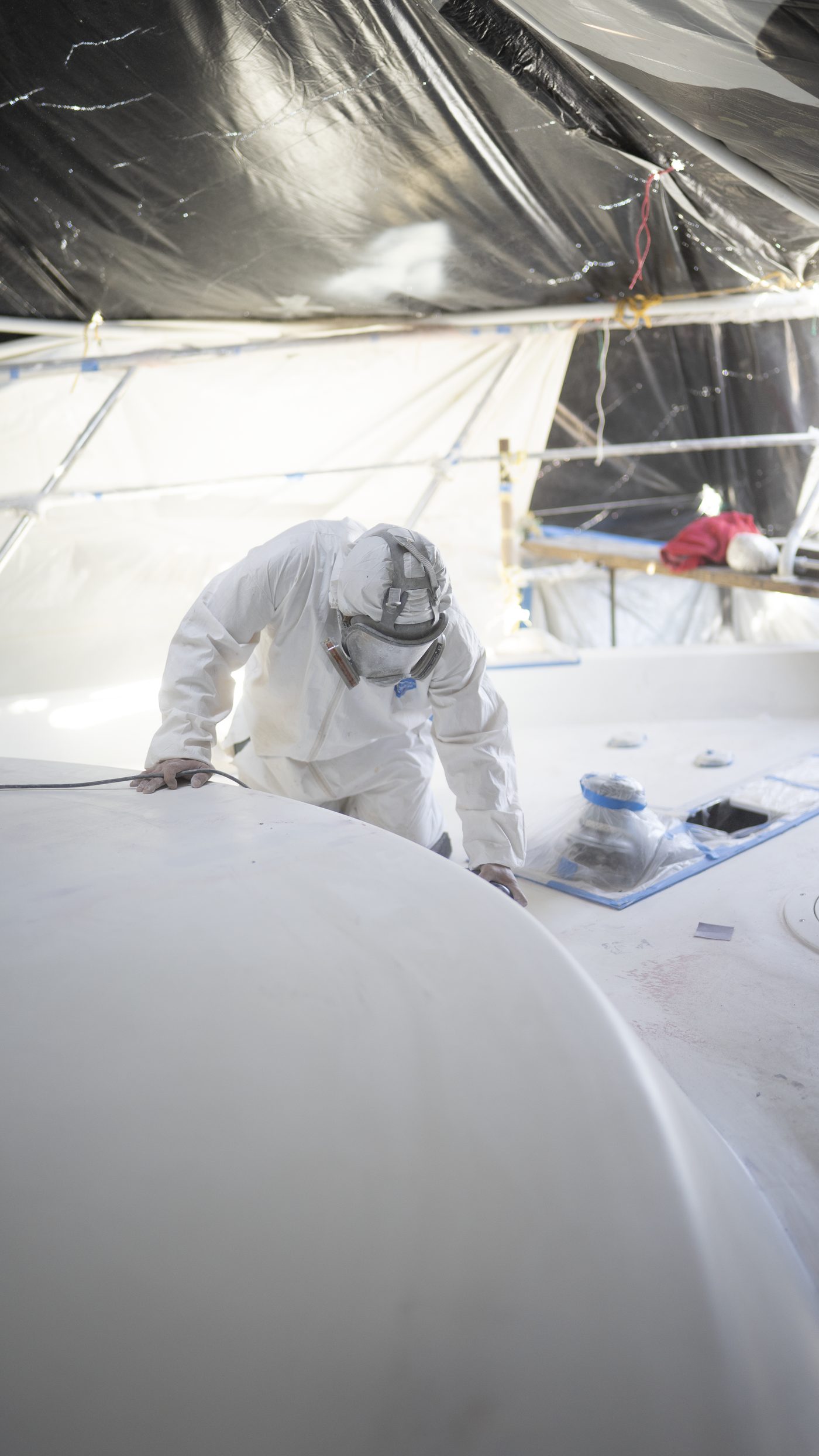
Damaged laminate ground back to sound material and rebuilt with the correct schedule and resin system — not filled and faired over.
Blister & osmosis treatment
Blister mapping, grinding, drying with monitored moisture readings, and an epoxy barrier system applied once the laminate reads dry.
Keel, stringers & bulkheads
Structural members inspected and repaired — keel joints, floors, stringers and bulkhead tabbing where movement or delamination is found.
Transom & through-hull areas
High-load areas rebuilt: transoms, engine beds, thru-hull and seacock backing, swim platform and mounting points.
Steel hull & plate work
Corrosion assessment, plate replacement and welded repair on steel and aluminum hulls, with coating restoration afterward.
Gelcoat & finish restoration
Gelcoat repair, colour matching, fairing and finish so the repaired area disappears into the surrounding surface.
Four stages, finding to sign-off.
Structural jobs move on evidence. Each stage produces something you can hand to a surveyor.
Assessment
Hull sounding, moisture readings and photo mapping of the affected area, with the findings sent to you before any cutting starts.
Scope & approval
A written repair scope with method, materials and timeline — approved by you, and by your surveyor or insurer when a claim is involved.
Repair & rebuild
Laminate or plate work executed under technical supervision, with photo documentation of each layer before it's closed up.
Finish & documentation
Fairing, gelcoat or coating restoration, final inspection, and a complete photo and readings package for your records.
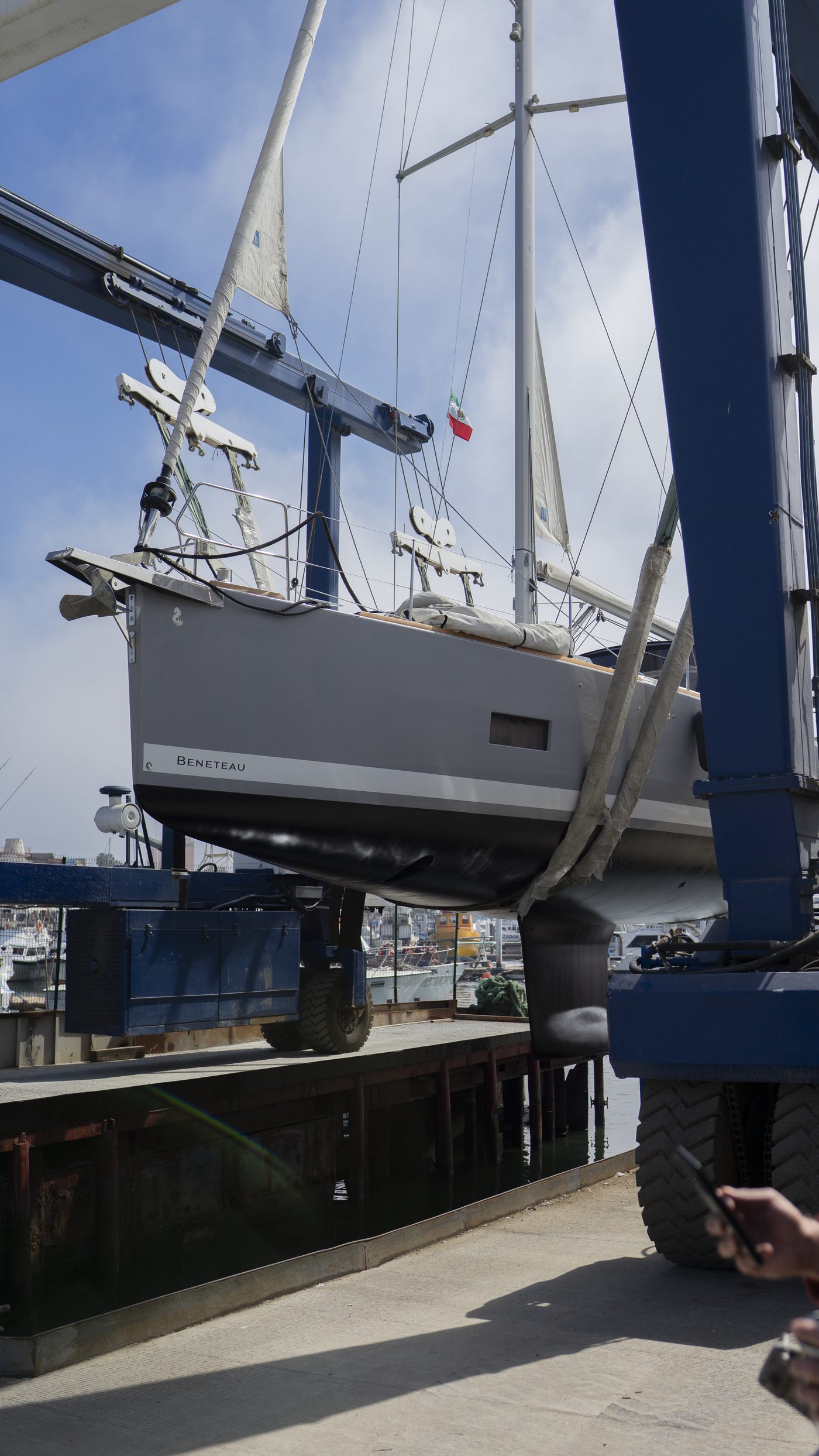
Closer than you think. Smarter than you'd expect.
A day-sail from San Diego
60 nautical miles south. Bring the boat down in a morning; our team guides TIP permits and vessel documentation for a clean entry.
California quality, without the queue
Skip SoCal yard congestion and waitlists. Same coating systems, same standards — with real slot availability and significant cost efficiency.
Expert marine workforce
Ensenada has built boats and fished these waters for generations. Fiberglass, paint, mechanical, electrical and carpentry trades under one supervised roof.
Secure long-term stays
Fully enclosed facility, 24/7 guarded, video surveillance and controlled access. Owners and crew come and go freely — nobody else does.
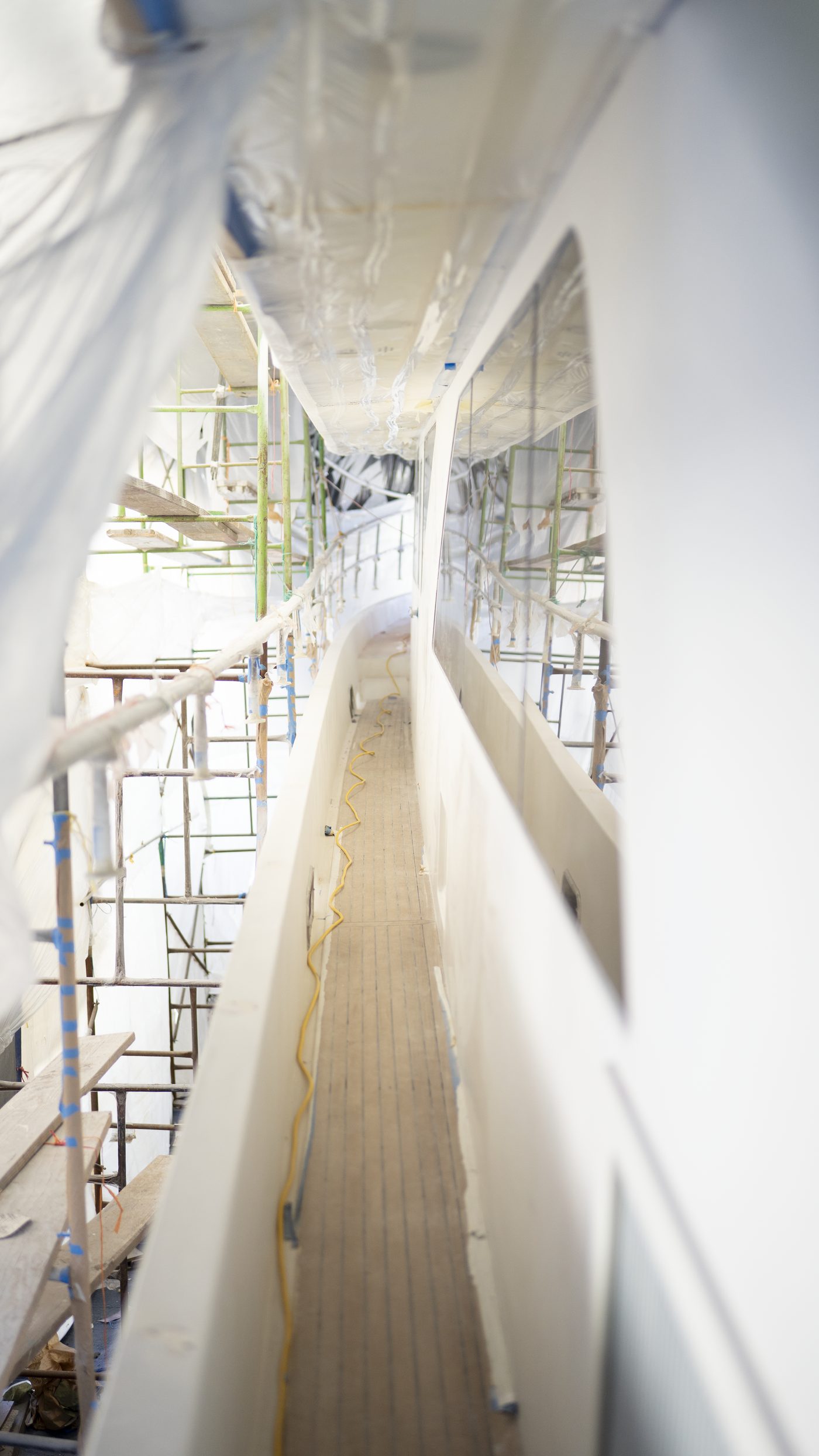
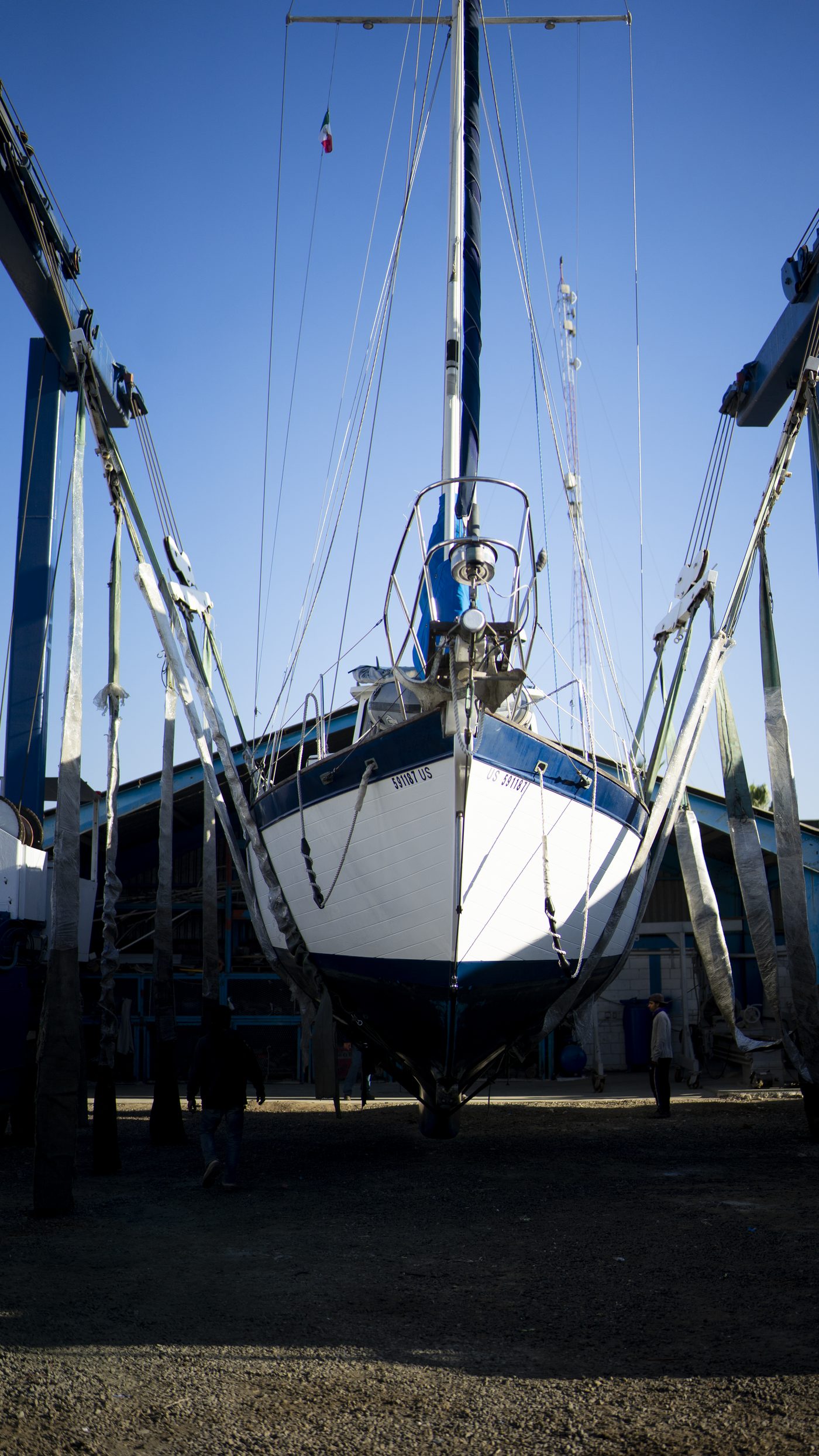
Work you can inspect.
What owners ask about structural work.
Can you work directly with my surveyor or insurer?+
How do you handle blisters and osmosis?+
Do you work on steel and aluminum hulls, not just fiberglass?+
Will the repair be visible afterwards?+
What documentation do I receive?+
Can I be invoiced through a U.S. entity for an insurance claim?+

Get a scope and a slot.
Send your vessel details — we reply with availability and a preliminary scope, no obligation.